
Agronomic Services - Nematode Management in Peanut
Plant-parasitic nematodes have long been associated with important yield losses of peanut in North Carolina. Key species of these parasites attacking peanut include the northern root-knot (Meloidogyne hapla), the peanut root-knot (M. arenaria race 1), sting (Belonolaimus longicaudatus), lesion (Pratylenchus brachyurus) and ring (Mesocriconema ornatum) nematodes (Figure 1).
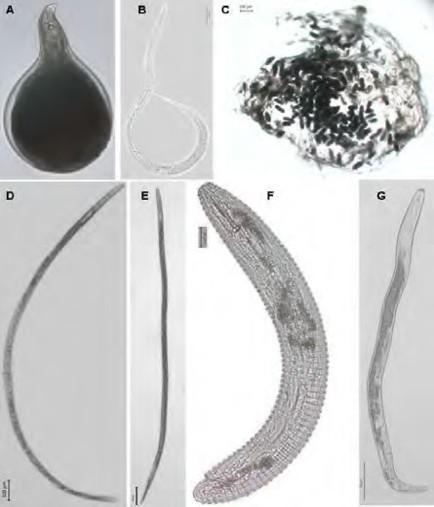
Figure 1. Micrographs of peanut nematodes: Root-knot (Meloidogyne sp.)
A. female, B. second-stage juvenile, C. egg mass; Sting (Belonolaimus longicaudatus) D. female, E. male; F. Ring (Mesocriconema sp.); and G. Lesion (Pratylenchus brachyurus).
Root galls caused by Meloidogyne hapla are much smaller than those caused by M. arenaria (Figure 2). Roots attacked by the sting nematode have extensive lesions and restricted growth. Lesion nematodes cause small necrotic spots on the roots and pods. Above-ground, scattered areas of stunted plants may indicate a nematode problem, especially with sting nematodes and/or M. arenaria. Root-knot nematodes can also predispose peanut plants to infection by fungal diseases, including Cylindrocladium black rot.
Nematode control usually involves integrating a number of disease-management strategies within an appropriate cropping system. Specific tools include rotation with nonhost or poor host crops, chemical soil treatments and resistant cultivars. In North Carolina, control of nematodes and Cylindrocladium black rot are closely linked.
Nematicides approved for use in peanut production are listed in the N.C. Agricultural Chemicals Manual. Before using a chemical control, however, growers should submit samples for nematode assay to the NCDA&CS Agronomic Division. Results of an assay will indicate whether chemical treatment is necessary. Predictive sampling, especially in fall, helps guide the selection of appropriate management tactics.
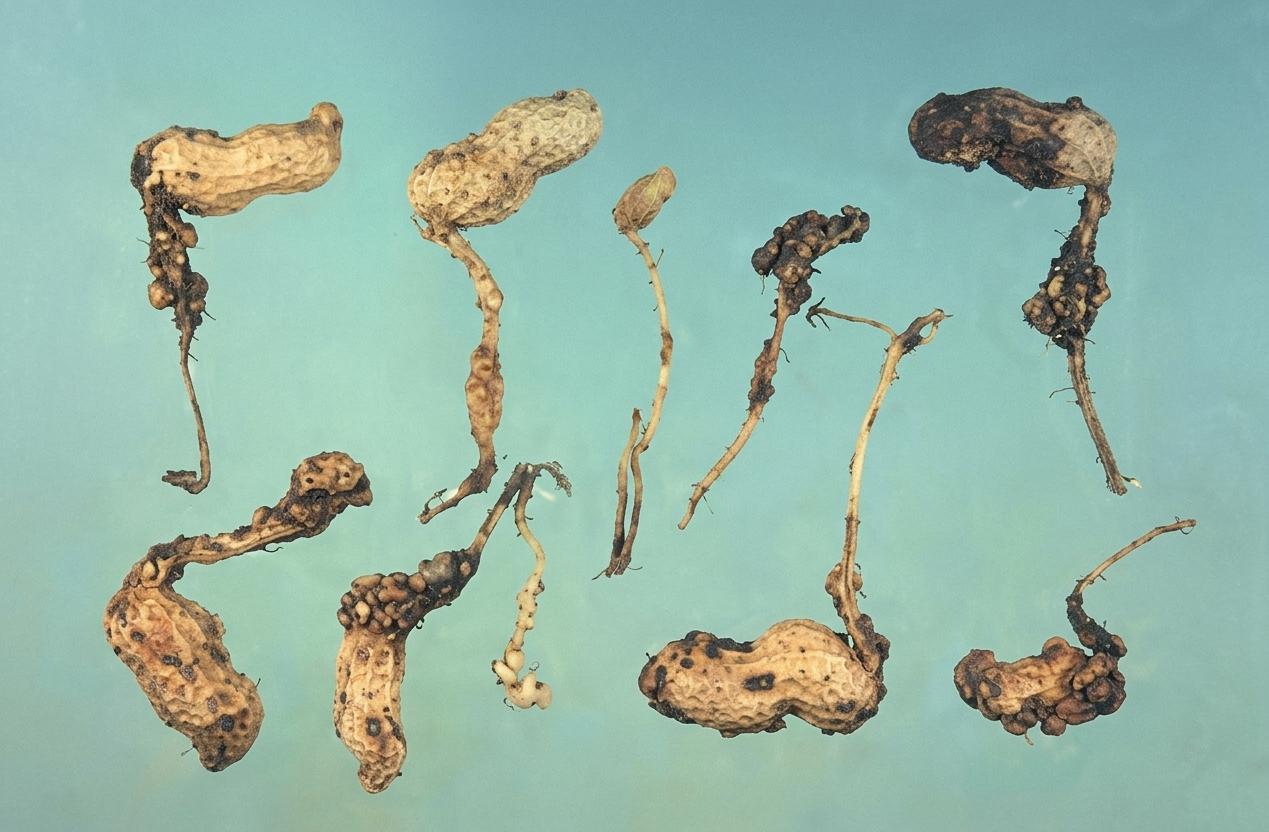
Figure 2. Meloidogyne arenaria galls on peanut pods (photo provided by Dr. Ken Barker).